TUESDAY, FEBRUARY 10, 2026
 Each person has a unique reason for getting life insurance, but those reasons can be distilled into one: They love someone and want to make sure they are protected financially. Let us help you ensure that a promise made is a promise kept with life insurance. Click here to request a quote. Each person has a unique reason for getting life insurance, but those reasons can be distilled into one: They love someone and want to make sure they are protected financially. Let us help you ensure that a promise made is a promise kept with life insurance. Click here to request a quote.
Here's to appreciating all the little things we do and those everyday moments that shape our lives and give it meaning. In fact, our days are often filled with simple acts of love, one followed by another, that over time create a better future.
Getting life insurance is like that too. It's a simple act you can take today to ensure your loved ones are protected financially tomorrow.
It's time to protect those everyday moments with life insurance.
Take a few moments now to see how we can help you protect those you love.
Posted 7:48 PM
SUNDAY, FEBRUARY 1, 2026
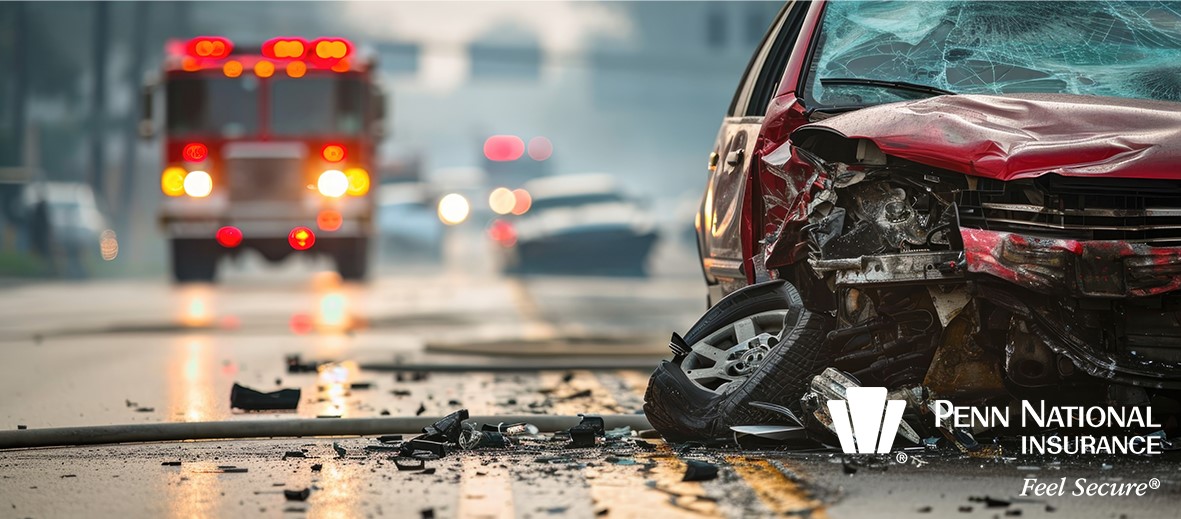
What to Do After a Car Accident: A Step-by-Step Guide
Car accidents are stressful, disorienting, and often happen when you least expect them. Knowing what to do before you’re ever in that situation can make a huge difference — for your safety, your legal rights, and your insurance claim.
If you’re involved in a car accident in Pennsylvania, here’s a clear, practical guide to help you navigate the moments immediately after the crash and the important steps that follow.
1. Prioritize Safety First
The moment an accident happens, your first responsibility is safety.
-
Stop your vehicle immediately and remain at or as close to the scene as possible. Leaving the scene can result in serious criminal penalties.
-
Turn on your hazard lights and, if the vehicle can be moved safely, pull off to the side of the road to avoid further collisions.
-
Check for injuries — yourself, your passengers, and anyone else involved.
If anyone is injured, trapped, or unconscious, call 911 right away.
2. Call the Police When Required
In Pennsylvania, you must report an accident if it involves:
Calling the police ensures an official accident report is created, which can be critical for insurance claims and legal matters.
3. Exchange Information — But Don’t Admit Fault
After everyone is safe, exchange basic information with the other driver(s), including:
-
Name and contact details
-
Driver’s license number
-
Insurance company and policy number
-
Vehicle make, model, and license plate
Avoid discussing who caused the accident. Even saying “I’m sorry” can be misinterpreted as an admission of fault later.
If it’s safe to do so, gather as much evidence as possible:
-
Take photos of all vehicles involved
-
Capture damage, skid marks, debris, and road conditions
-
Photograph traffic signs or signals
-
Collect witness names and contact information
These details can be extremely helpful if there’s a dispute about what happened.
5. Seek Medical Attention if Injured
If you experience any physical symptoms following a car accident, it is important to clearly state that the injuries are related to the collision.
When speaking with medical providers or insurance representatives, ensure that the date of the accident and the connection between the accident and your symptoms are properly documented. Accurate reporting helps establish a clear record for insurance and legal purposes.
6. Notify Your Insurance Company Promptly
Report the accident to your insurance company as soon as possible. Stick to the basic facts and avoid giving recorded statements or detailed explanations until you understand your coverage.
Pennsylvania is a no-fault insurance state, meaning your own insurance typically pays for your medical expenses first through Personal Injury Protection (PIP), regardless of who caused the accident.
7. Keep Organized Records
Create a file for everything related to the accident, including:
Good documentation can save time, reduce stress, and strengthen your position if disputes arise.
Special Situation: Hit-and-Run Accidents
If the other driver leaves the scene:
Car accidents are never easy, but knowing what steps to take can help you stay calm, compliant with Pennsylvania law, and protected financially. Keeping this guide in mind — or even saving it to your phone — can make a stressful moment much more manageable.
Posted 1:42 PM
THURSDAY, JANUARY 1, 2026
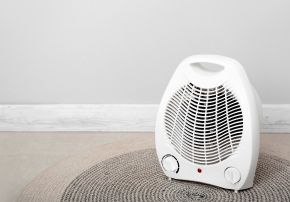 Heat your home safely this winter with these tips: Heat your home safely this winter with these tips:
- Keep anything that can burn at least three feet from any heat source, including fireplaces, wood stoves, radiators or space heaters.
- Install and test carbon monoxide alarms at least once a month.
- Have a qualified professional clean and inspect your chimney and vents every year.
- Store cooled ashes in a tightly covered metal container and keep it outside at least 10 feet from your home and any nearby buildings.
- Plug only one heat-producing appliance such as a space heater into an electrical outlet at a time.
Reduce Risk of Dying in Home Fires with Smoke Alarms
The risk of dying in a home fire is cut in half with working smoke alarms. Keep your family safe with these tips:
- Install smoke alarms in every sleeping room and outside each separate sleeping area.
- Install alarms on every level of the home, including the basement.
- It is best to use interconnected smoke alarms so that when one smoke alarm sounds, they all sound.
- Test all smoke alarms at least once a month.
Used with permission from Penn National Insurance
Posted 3:25 PM
MONDAY, DECEMBER 1, 2025
 Day 1 Day 1
Frozen pipes happen when the temperature dips low enough that the water within the pipe begins to freeze. When water freezes, it expands, and if the water within the pipe freezes long enough and continues to expands it will burst the pipe. Once the temperature moves above freezing and the ice in the pipe starts to melt, you are left with a hole in your pipe and leaking water.
The easiest way to spot frozen pipes is actually pretty simple. When a pipe has frozen, water can’t really flow. So, when a faucet isn’t working at all, or can’t deliver more than a trickle of water, a frozen pipe is a very possible cause. Look for more information about how to fix frozen pipes later on in the 12 Days Winter Warnings.
Day 2
Yesterday was all about determining when pipes are frozen. Today we’ll be talking about ways to prevent frozen pipes in the first place. The process is pretty simple: since pipes freeze when they’re exposed to low temperatures, keeping them warm keeps them safe. Wrapping pipes with pipe insulation is a good start. This insulation can be purchased fairly easily, and is simple to cut to size and wrap around the exposed pipe. Heat tape is another good option. Since this tape generates its own heat, it is especially good for any pipes that are prone to freezing. Finally, it’s important to keep the heat on in any rooms with pipes running through them throughout the winter. It’s amazing what a difference household heat can make!
Day 3
Today, we’ll be finishing up our information about frozen pipes with an easy way to help prevent freezing without any advance preparation. When temperatures plunge, a freeze can be prevented by leaving the taps open at a trickle. For maximum freeze-stopping power, let the tap run enough to get the water flowing through the pipes, but it doesn’t need to be full blast. When water is moving, it’s a lot less likely to freeze – protecting otherwise at-risk pipes during cold snaps, or when there hasn’t been time to insulate. Outside faucets is another key area of concern. Preventing freezing and avoiding leaks is always the goal. You will want to disconnect the garden hose from the outside faucet and use the shut-off valve inside the home to shut off the water source to the outside faucet. Once the water is turned off outside the home, you will want to open the outside faucet to allow any excess water to drain from the sillcock.
Day 4
Today we're switching gears from frozen pipes to ice dams, starting with how to spot one that's formed or forming. Ice dams come to exist for slightly more complicated reasons than frozen pipes: warmer outdoor temperatures cause snow on a roof to melt into water, but colder temperatures on the eaves cause the water at the edges to freeze. Water flowing down from above is blocked, and it forms a small pool behind the frozen ice dam on the eaves, leaking in through the shingles on the roof. Spotting ice dams is not too tricky. Look for any visible ice along the edges of the roof - it is not necessary to go up on the roof to spot them, and we don't recommend it in winter weather. Be especially careful to check on any surprise warmer days when conditions are ripe for snow above to melt, but the eaves to freeze. Ice and icicles along the eaves with snow above is a telltale sign of an ice dam.
Day 5
Yesterday we talked about spotting ice dams; today we'll talk about clearing them. Always be careful when clearing one; getting to them can be tricky, and the areas around them can be very slick. Don't hesitate to call in professionals if needed!
Here are three tactics that can help with ice dams:
- Blow in cold air. If the leak is clearly ice dam related, get into the attic and place a box fan under the leaking area. This can help cool the area down, re-freezing the water and stopping the leak.
- Use a roof rake (carefully!) A long handled roof rake, used from the ground while standing safely out of the way of any falling snow, can pull snow off the roof and remove the hazard.
- Targeted ice melting. Another option is to deliver a targeted dose of ice melt right at the location of the ice dam (and the leak). Fill a semi-porous material (pantyhose work nicely) with ice melt (not salt) and place it perpendicular to the ice dam, crossing over it and overhanging the gutter. This ice melt will eventually melt the ice, giving the trapped water a way to run off.
Day 6
Today we’re going to switch gears and talk about how to protect a property during a long trip. Many folks are going away for the holidays, and it’s crucial to have a property checked regularly when property owners are away. But just having someone walk through isn’t ideal – here are some tips to make that check-in really count.
- Have mail/newspapers collected daily - have a person, neighbor, friend, or family member do this daily.
- Arrange daily checks for leaks or other maintenance issues. Spotting any issues early – and within a certain window of time from their start – will be a great help.
- Ensure that the check-ins are documented. The best way to do that is to use a cellphone camera to take photos or videos of the property. It’s important to document visits even if everything looks normal. If something breaks tomorrow, it can be vital to show it wasn’t broken today.
Day 7
Today we’re going to keep talking about protecting a property during a long trip. This time, we’ll cover steps that should be taken a week or so before departure, and then immediately prior to leaving.
A week or so before leaving:
- Connect a few lights to a timer and set them to go on every day after dark. This will keep the property from being totally dark – a sure giveaway that no one is home.
- Don’t close blinds and shutters or install new perimeter lighting. Changes like these make it obvious that a property will soon be unattended, which can make it a target.
Right before leaving:
- Turn the heat down to no lower than 55 degrees. Don’t turn it completely off during the winter; as the temperature drops, the risk of frozen pipes goes up dramatically.
- Lock the house. That includes pet doors, garage doors, and windows that might normally be left open.
- Throw away any perishables if the trip is planned to last more than 3 days or so. It’s no fun to come back to a rotting mess in the fridge!
Day 8
Today is all about snow safety. When we think of winter hazards... frozen pipes and ice dams might be the first things that come to mind, but heavy snow can cause problems too. Here’s what to do when heavy snow hits
- When the storm arrives, stay put if possible. The best way to keep safe in a big snowstorm is to avoid exposure to the hazards entirely. Stay with supplies, sheltered inside a building, unless you find it absolutely necessary to go out.
- If planning to remove snow from the roof, be safe. Removing the weight of heavy snow from the roof can help prevent a possible roof collapse, but only if care is taken to remove that snow in a safe manner. Never step out onto a roof covered in snow; instead, use a snow removal roof rake.
- Heat the home safely. Read and understand all instructions for heaters and other sources of warmth. Make sure that no heat source is ever too close to anything flammable. Never leave a fireplace or other open flame burning unattended.
Day 9
Candles are often a beautiful part of holiday decorating, but if they’re not used with some care, they can quickly turn into a hazard. These tips will help ensure candle safety throughout the holiday season:
Consider battery operated candles. Nowadays they look great, come in all different shapes and sizes, are very realistic, and are much safer than an open flame.
Place candles on sturdy, flame resistant bases. Metal, glass, and ceramic holders are all good choices. The bases should be wide, sturdy and difficult to knock over.
Never leave candles unattended or burning overnight. When leaving a room, or turning in for the night, blow out the candles.
Keep candles at least 12 inches from anything that can burn. Drapes, bed sheets, furniture, even certain types of wood become fire hazards when near a candle. Give the flame at least 12 inches of space.
Don’t put candles in the window. Electric candles that look great in the window have been around for years. They never have to be re-lit, and they’re a whole lot safer.
Day 10
Yesterday we talked about candles – today we’ll talk about the safest ways to enjoy their bigger cousin, the fireplace.
- Have the fireplace and chimney cleaned and inspected once a year. This step is important whether the fireplace sees regular use, or burns just once a year.
- Keep the area around the fireplace clean. This area needs to be free of debris, especially anything flammable. The walls and floors around the fireplace should made of (or covered with) a fire-resistant material like stone or metal.
- Keep the mesh screen closed at all times. The mesh screen helps keep embers from escaping the fireplace and causing a fire hazard. If a fireplace does not have a mesh screen, buy one and use it.
Day 11
The holidays are about many different things, but for a lot of people, food is one key ingredient that makes the season special. But when it comes to cooking food - and especially some of the hearty dishes that we often see in winter - it's important to do so safely. In particular, it's key to know how to handle a grease fire if one should start.
Grease Fire Dos
- Put on oven mitts for hand protection.
- Eliminate the heat source by turning off the stove or grill.
- If possible, put out the fire with an extinguisher.
- If no extinguisher is available, cover the pan with a lid. If it’s a grill, shut the lid.
- As a last resort, cut off the fire’s oxygen supply by smothering it with baking soda or salt.
Grease Fire Don’ts
- NEVER throw water on a grease fire. It will actually splash and spread the flames, making a fire harder to control.
- NEVER use flour or sugar to smother a fire. Rather than helping put out the flames, these can actually cause a powder explosion and do even more damage
Day 12
Today we're going to take a quick trip back to a topic we've already discussed: ice dams. Today we'll look at what can be done to prevent ice dams, rather than dealing with spotting and removing them after they've formed. The key to preventing them in the first place is to get temperatures even across the entire roof - rather than warmer inside and colder on the eaves.
- Insulate the attic. Insulation keeps hot air from rising up and heating the roof.
- Ventilate appropriately. Make sure that ridge and soffit vents are placed appropriately, and make sure that baffles are installed at the eaves to keep the airflow path clear.
- Seal lights, hatches, and ductwork. All those little things in the attic give off heat! Make sure they’re appropriately weatherstripped, sealed, and insulated.
We hope you have enjoyed our 12 Days of Winter Warnings.
Everyone at Rutt Insurance wishes you and your family a Happy Thanksgiving, a very Merry Christmas, a safe and joyous New Year.
--Content used in this post was originally published by Mammoth Restoration & Construction and is used with their permission.
SATURDAY, NOVEMBER 1, 2025
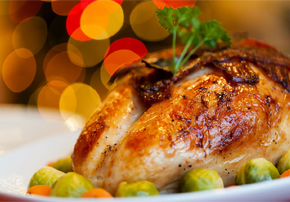 How to Stop a Grease Fire How to Stop a Grease Fire
- Eliminate the heat source by turning off the stove or grill.
- Cover the pan with a non-glass lid, or another pan. If it’s your grill, shut the lid.
- If you can't cover it, cut off the fire’s oxygen supply by smothering it with baking soda or salt.
- If necessary, put out the fire with a fire extinguisher. We can’t emphasize this enough – always keep a fire extinguisher in your kitchen or by your grill. Put it in clear sight and make it easy to access. Make sure beforehand that you have a proper class extinguisher for use on grease.
Grease Fire Don’ts
- NEVER throw water on a grease fire. It will actually splash and spread the flames, making a fire harder to control.
- NEVER use flour or sugar. Rather than helping smother the fire, these can actually cause a powder explosion and do even more damage.
- Don’t pick up the pan. The risk of spilling grease is too high.
- Avoid touching anything until it’s completely cool.
- Don’t hesitate to call 911 if you can’t handle the situation.
- Never attempt to deal with a fire without first protecting yourself, and if it gets out of control, get everyone out safely rather than continuing to fight it. Remember, the things in your house can be replaced.
Posted 4:00 AM
|
Blog Archive
2026
2025
2024
2023
2022
2020
2019
2018
2017
2016
|